

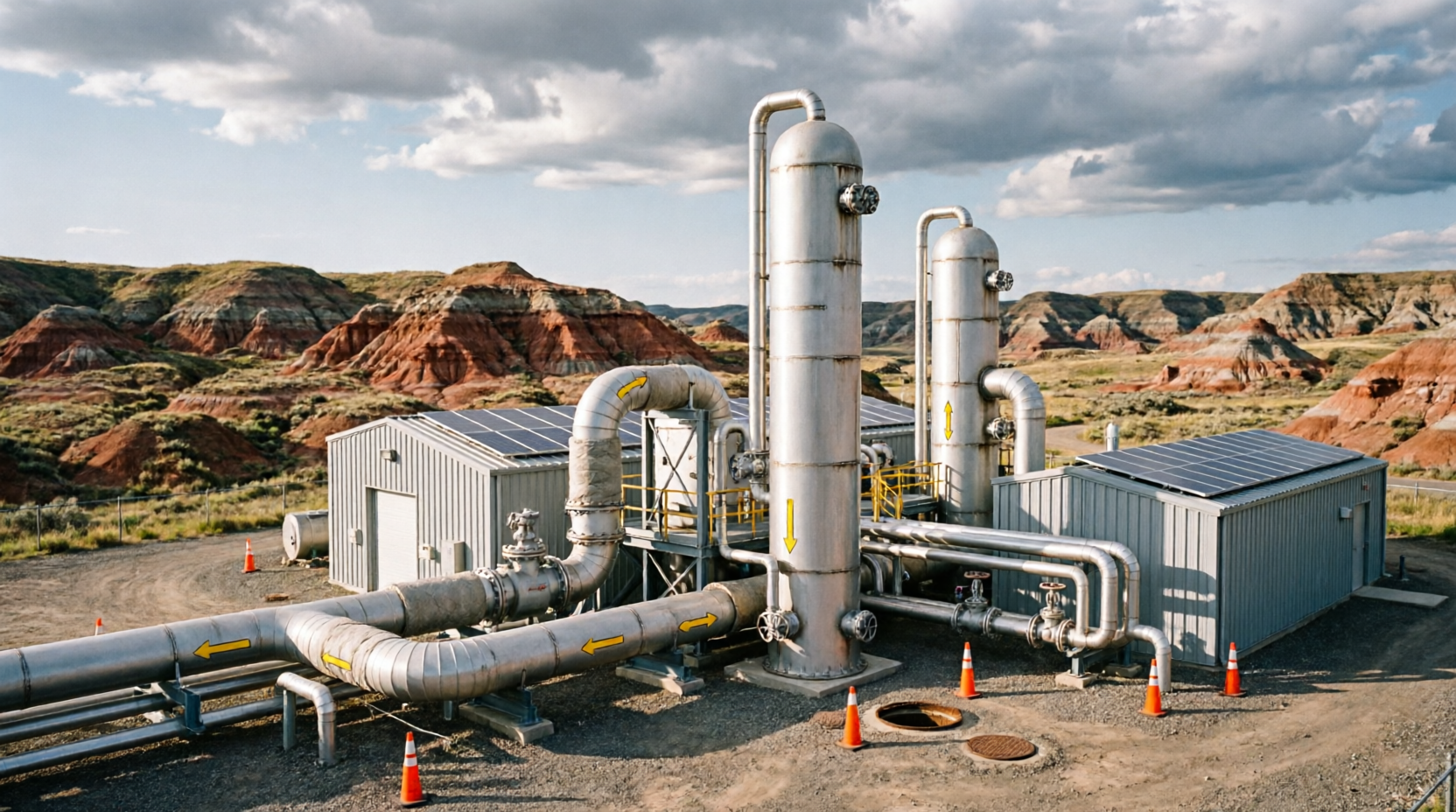
Furthermore, there are significant concerns about the “opportunity cost” of CCUS. The billions of dollars in federal tax credits and provincial subsidies directed toward propping up fossil fuel infrastructure could, critics argue, be far more effectively spent on deploying proven, scalable renewable energy sources like wind and solar, or on upgrading the national electrical grid. There are also valid questions about the long-term safety and monitoring of underground CO2 storage, with fears of potential leaks that could negate the climate benefits and pose local environmental hazards.
Advertisement
The debate is further complicated by the mathematics of emissions. Even if CCUS technology performs perfectly, it typically captures between eighty and ninety percent of emissions from a given facility. This means that a ten percent leakage or uncaptured emission rate remains. When applied to an expanding oil sands sector, critics argue that the absolute volume of emissions will remain too high to align with the Paris Agreement’s 1.5-degree Celsius target.
Ultimately, the question of whether Alberta’s CCUS push is a boon or greenwashing may not have a binary answer. CCUS is likely to be a necessary component of the global energy transition, particularly for heavy industry. However, its viability hinges on rigorous, transparent regulatory oversight, strict caps on overall fossil fuel production, and a guarantee that it complements, rather than cannibalizes, investment in genuine renewable energy. As Alberta moves forward with its ambitious plans, the rest of Canada will be watching closely, demanding proof that these projects deliver real, measurable climate benefits, not just clever public relations.