

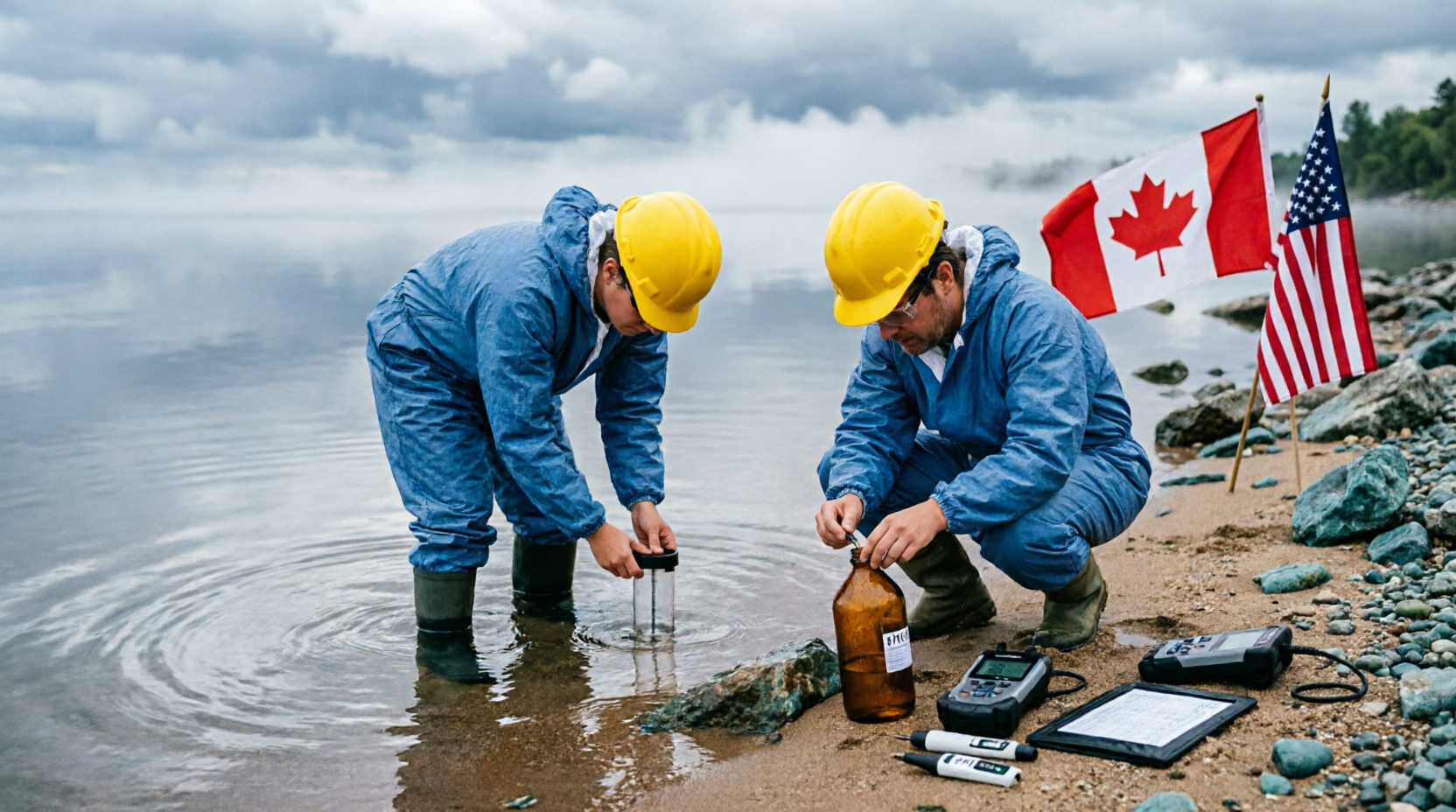
The Great Lakes, holding nearly twenty percent of the world’s surface fresh water, are the lifeblood of both Canada and the United States. For decades, the binational Great Lakes Water Quality Agreement (GLWQA) has served as the foundational framework for protecting this vital ecosystem. However, as emerging contaminants and the compounding effects of climate change threaten the lakes’ delicate balance, Ottawa and Washington have announced a landmark 2026 update to the agreement, committing to unprecedented, stricter pollution controls.
Advertisement
The renewed focus is squarely on two critical threats: per- and polyfluoroalkyl substances (PFAS), commonly known as “forever chemicals,” and agricultural phosphorus runoff. PFAS, widely used in manufacturing and consumer products, have been detected in the tissues of Great Lakes fish and in the drinking water supplies of millions of residents on both sides of the border. These chemicals are linked to severe health issues, including cancer and immune system disruption. The new agreement mandates a coordinated, binational phase-out of non-essential PFAS uses by 2030, coupled with a billion-dollar joint investment in upgrading municipal water treatment facilities to filter out these persistent compounds.
Equally pressing is the issue of nutrient pollution, which has caused massive, toxic cyanobacteria (blue-green algae) blooms in Lake Erie in recent years. These blooms deplete oxygen in the water, creating “dead zones” that devastate fish populations, and pose serious health risks to humans and pets. The 2026 update introduces stringent, legally binding caps on phosphorus loading from agricultural sources. This has immediately sparked intense debate. While environmental scientists applaud the move as long overdue, agricultural lobbies in both Ontario and the US Midwest argue that the new regulations are economically crippling. Farmers are demanding substantial government subsidies to adopt precision agriculture technologies, cover cropping, and advanced buffer zones that can reduce runoff without bankrupting their operations.