

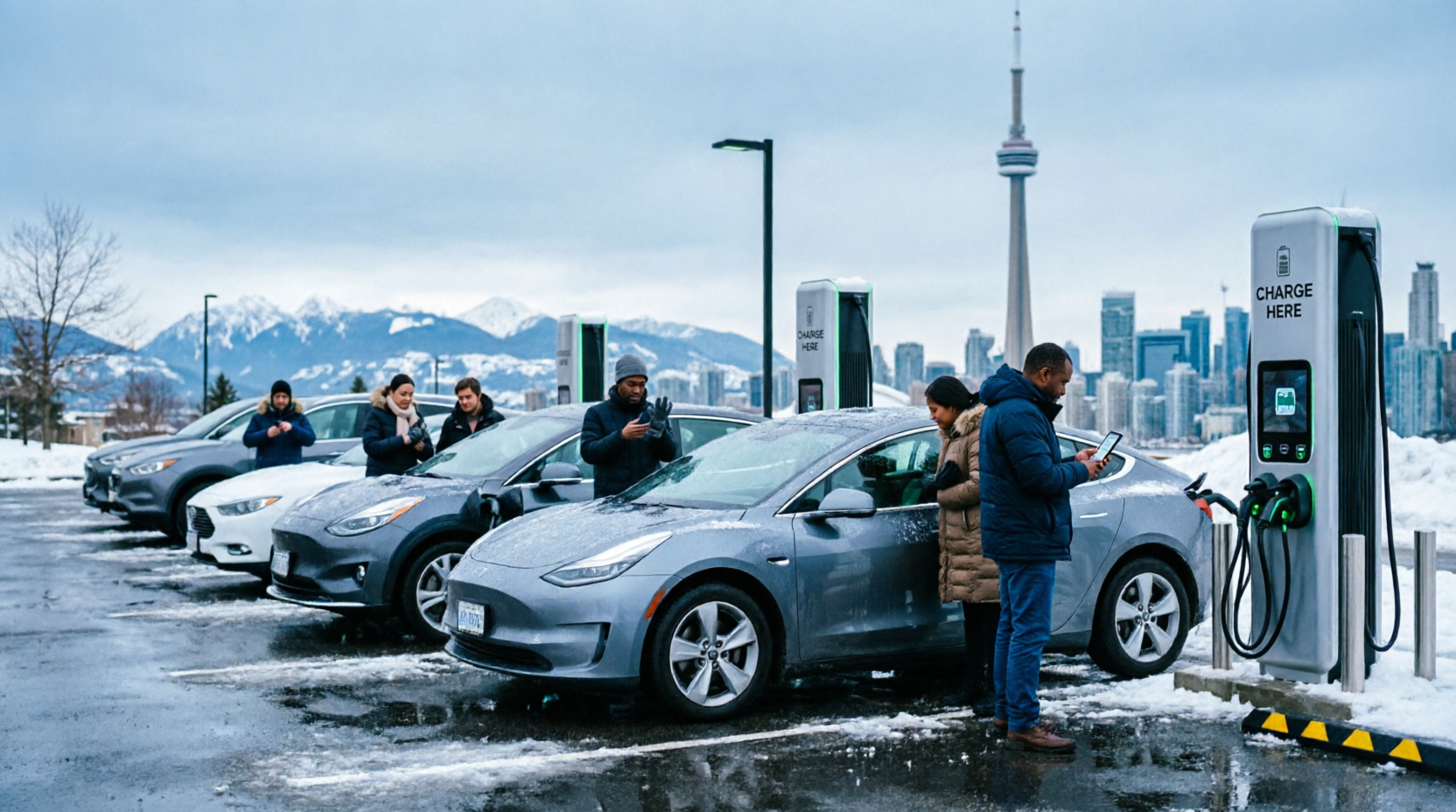
Cold weather performance remains a critical, often under-discussed hurdle. Lithium-ion batteries inherently lose efficiency in freezing temperatures. At minus twenty degrees Celsius, an EV can lose up to thirty percent of its rated range, while the demand for cabin heating further drains the battery. When combined with the sparse distribution of fast chargers in rural areas, this winter range penalty makes EV ownership a daunting prospect for many outside the mild coastal climates of British Columbia.
Advertisement
To address these disparities, the federal government has significantly expanded the Zero-Emission Vehicle Infrastructure Program (ZEVIP), injecting hundreds of millions of dollars specifically targeted at rural, remote, and Indigenous communities. The goal is to ensure that the benefits of the EV transition are not confined to wealthy urbanites. Additionally, new building codes in several provinces now mandate that all new multi-unit residential buildings be “EV-ready,” preventing the costly retrofits that currently plague the condo market.
Yet, infrastructure is only half the equation; the other half is grid capacity. A mass adoption of EVs will place unprecedented demand on local electrical grids, particularly during peak evening hours when drivers return home and plug in their vehicles. Utilities across the country are urgently investing in grid modernization and promoting “smart charging” technologies. These systems incentivize drivers to charge their vehicles overnight during off-peak hours when electricity is cheaper and the grid is powered by a higher proportion of base-load, low-carbon energy sources like hydro and nuclear.
Canada’s EV milestone is a remarkable achievement, but it is merely the starting line of a much longer race. Achieving the federal target of one hundred percent zero-emission light-duty vehicle sales by 2035 will require a relentless, coordinated effort. It demands not just more chargers, but smarter chargers, a more resilient electrical grid, and targeted policies that ensure rural and northern Canadians are not left behind in the drive toward a sustainable future.