

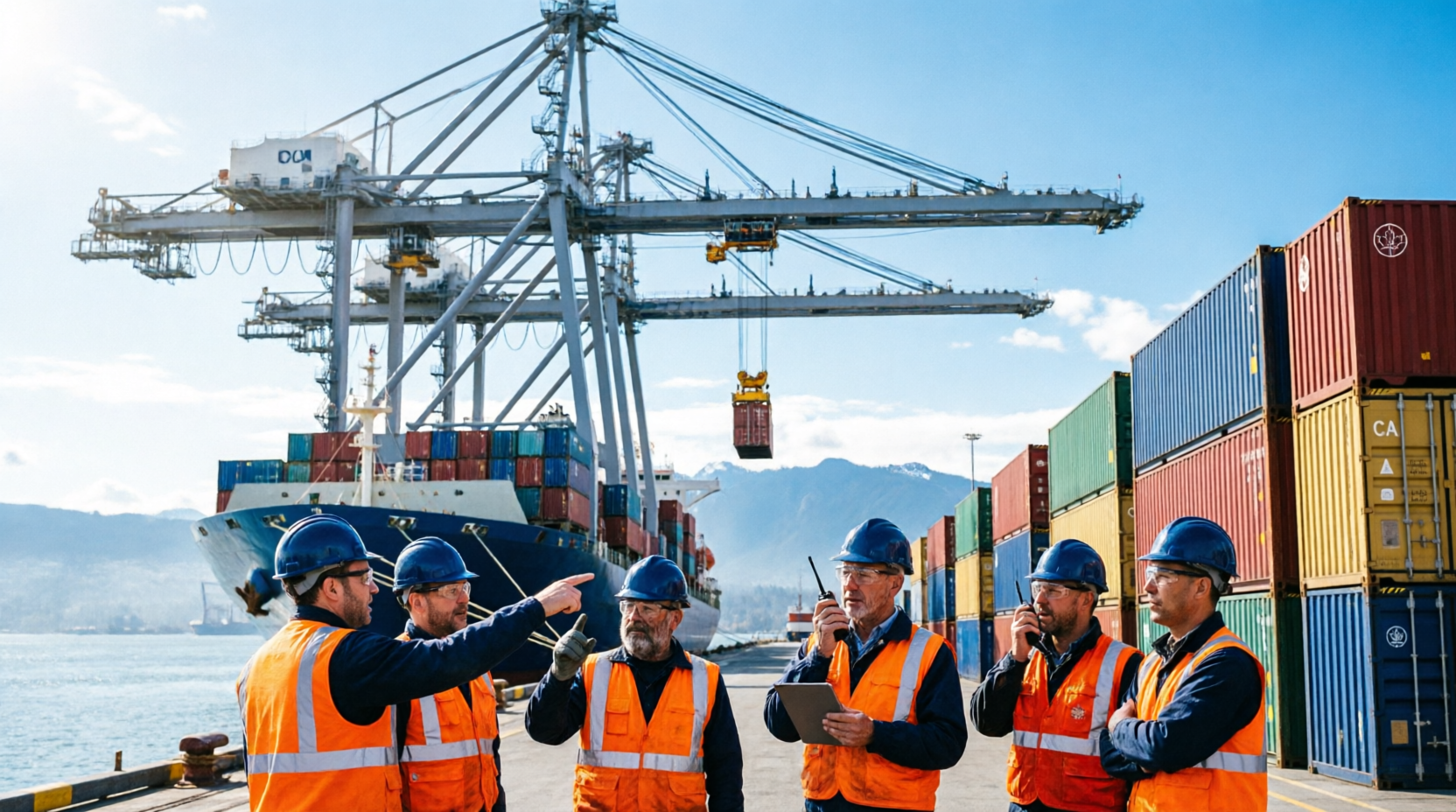
A major focus of the strategy is navigating the complex relationship with China. While acknowledging the importance of engaging with Beijing on global challenges like climate change, the strategy adopts a much firmer stance on human rights and economic security. It introduces new mechanisms to screen foreign investments in sensitive Canadian sectors, particularly critical minerals and advanced technologies, to prevent intellectual property theft and safeguard national security. The government is also aligning its export controls more closely with its allies to prevent Canadian technology from being used in human rights abuses or military modernization efforts that threaten regional stability.
Advertisement
The Indo-Pacific Strategy also emphasizes people-to-people ties and diplomatic engagement. Canada is expanding its network of diplomatic missions in the region, increasing the number of trade commissioners, and launching new scholarship programs to attract top Indo-Pacific talent to Canadian universities. This soft power approach is designed to build long-term cultural and educational bridges, fostering a deeper mutual understanding that will benefit bilateral relations for generations. Additionally, the strategy places a strong emphasis on supporting indigenous communities and promoting gender equality in its international development and trade initiatives.
Implementing this ambitious strategy will require sustained political will and significant resources. Critics argue that the funding allocated may not be sufficient to overcome the entrenched economic ties with the US and the massive scale of the Chinese economy. However, proponents maintain that the Indo-Pacific Strategy is a necessary recalibration of Canada’s global posture. By actively engaging with the fastest-growing region in the world, Canada is not only securing its economic future but also reaffirming its commitment to a free, open, and prosperous Indo-Pacific.