

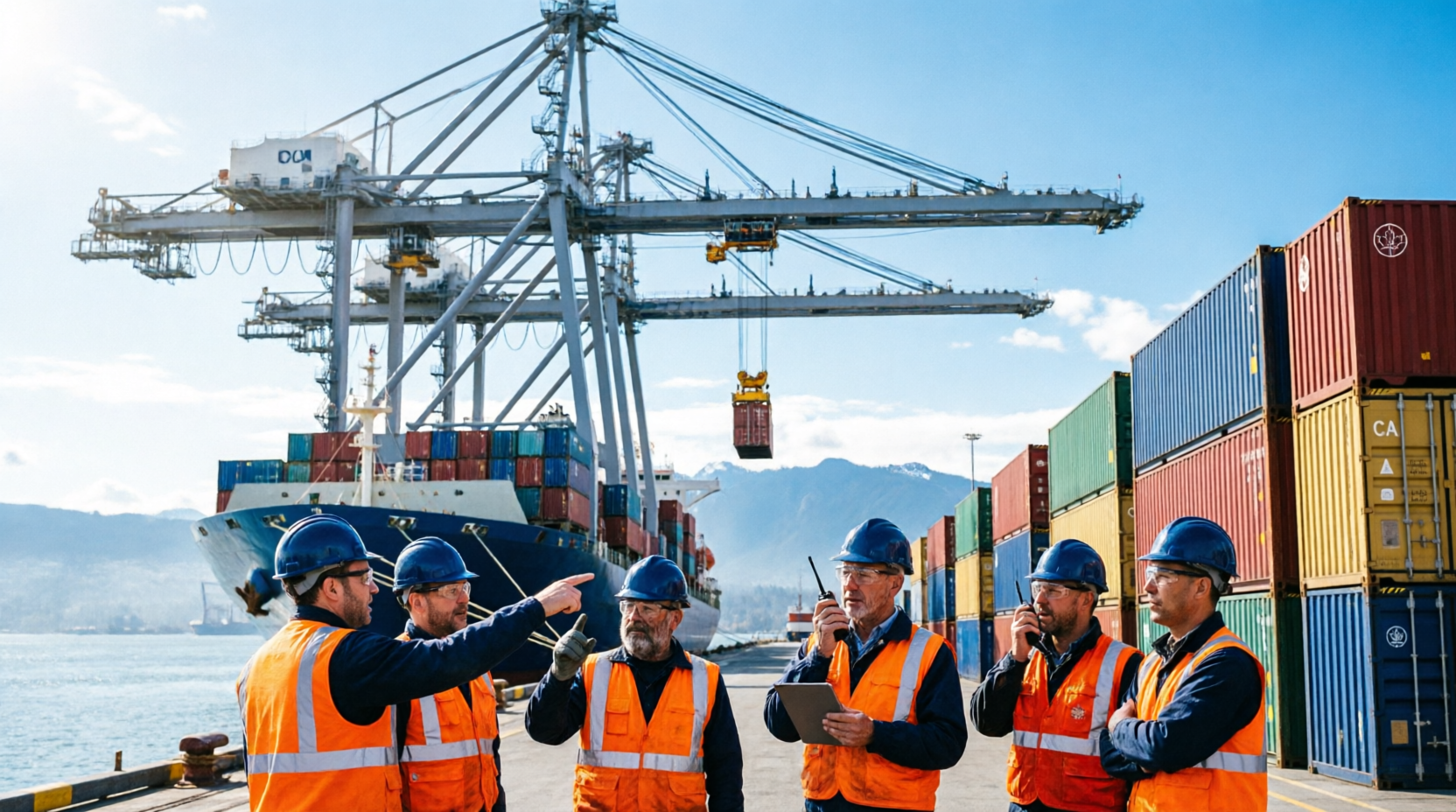
In a decisive move to diversify its economic and security partnerships, the Canadian government has unveiled a comprehensive Indo-Pacific Strategy, committing billions of dollars to strengthen ties with the world’s most dynamic and geopolitically critical region. Recognizing an over-reliance on the United States for trade and an increasingly assertive China, Ottawa is pivoting to build deeper relationships with key democratic allies in Asia, aiming to secure long-term economic prosperity and reinforce the rules-based international order.
Advertisement
The cornerstone of the strategy is a massive economic diversification initiative. Canada currently sends nearly eighty percent of its exports to the United States, a vulnerability that has been exposed by recent shifts in US trade policy and protectionist sentiments. To counter this, the new strategy allocates significant funding to support Canadian businesses in expanding their footprint in India, Japan, South Korea, Australia, and the Association of Southeast Asian Nations (ASEAN). The government is specifically targeting sectors where Canada holds a comparative advantage, including agri-food, critical minerals, clean technology, and advanced manufacturing. By leveraging existing free trade agreements, such as the Comprehensive and Progressive Agreement for Trans-Pacific Partnership (CPTPP), Ottawa aims to double its two-way trade with the Indo-Pacific region over the next decade.
Beyond economics, the strategy has a robust security and defense component, reflecting the growing militarization of the region and the threats to global supply chains. Canada is increasing its naval presence in the Indo-Pacific, conducting more frequent freedom of navigation operations in the South China Sea and participating in joint military exercises with allies like Japan and Australia. This enhanced military posture is designed to deter aggression, protect vital maritime trade routes, and uphold international law. Furthermore, the strategy includes significant investments in cyber security and intelligence sharing with regional partners to counter state-sponsored cyber threats and protect critical infrastructure.