

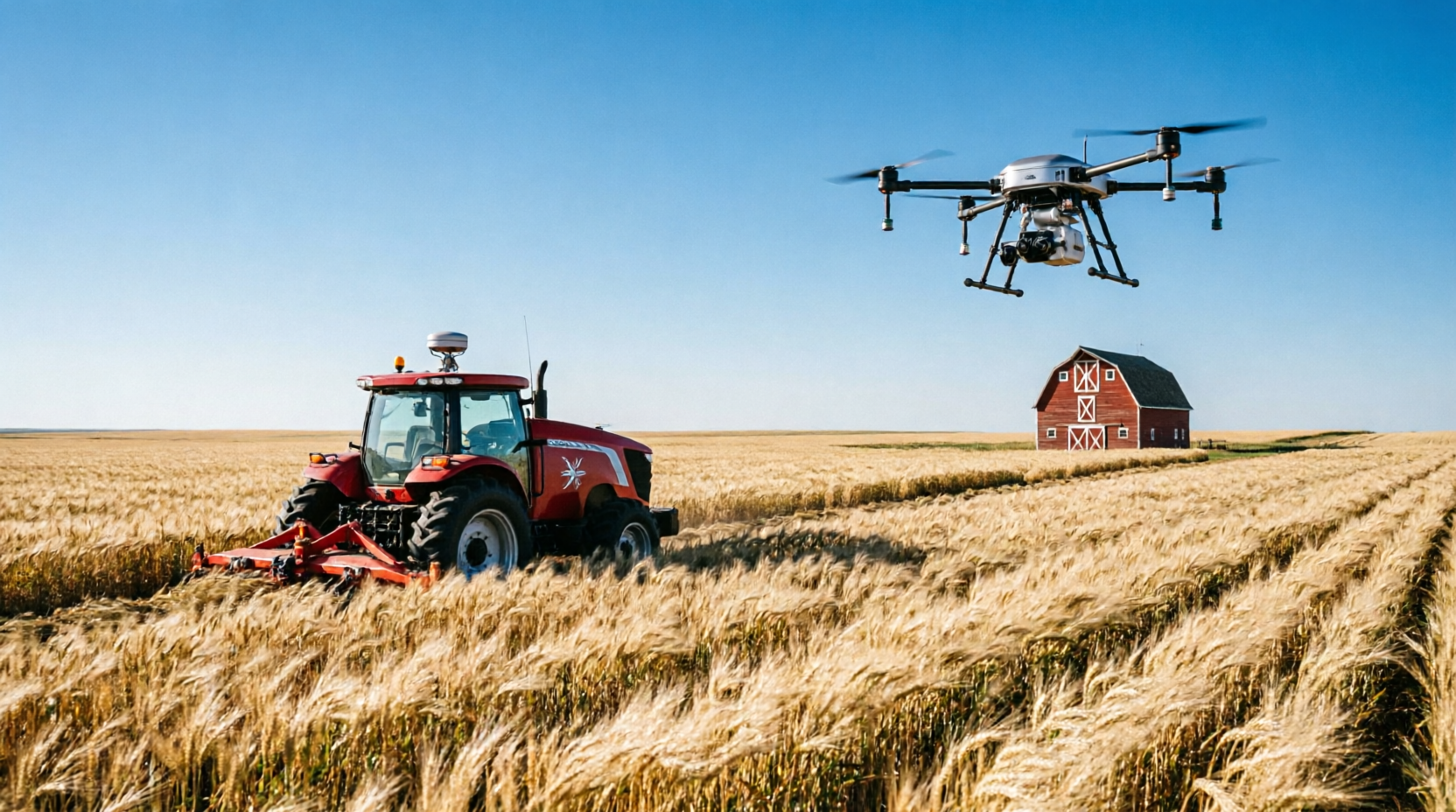
The integration of AI and big data is also transforming decision-making on the farm. Startups are developing comprehensive farm management platforms that aggregate data from soil sensors, weather satellites, and historical yield maps. By analyzing this vast amount of information, AI models can provide farmers with highly specific, actionable recommendations on when to irrigate, when to harvest, and which crop varieties will perform best under specific micro-climate conditions. This data-driven approach is crucial for building resilience against the increasing frequency of extreme weather events, such as the severe droughts and unseasonal frosts that have battered the Prairies in recent years.
Advertisement
However, the adoption of these advanced technologies is not without barriers. The high upfront cost of autonomous machinery and drone systems can be prohibitive for small and medium-sized family farms. To address this, the federal government, through programs like the Sustainable Canadian Agricultural Partnership, is offering cost-sharing grants to help farmers invest in agri-tech. Additionally, some startups are adopting a “Robotics-as-a-Service” (RaaS) model, allowing farmers to lease autonomous equipment on a seasonal basis, thereby lowering the barrier to entry.
The agri-tech revolution on the Canadian Prairies is a testament to the power of innovation in addressing fundamental human challenges. By merging the traditional wisdom of farming with cutting-edge technology, Canadian startups are not only ensuring the economic viability of the agricultural sector but also pioneering a more sustainable, efficient, and resilient model for global food production. As these technologies continue to mature, the Prairies are poised to become a global showcase for the future of smart farming.