

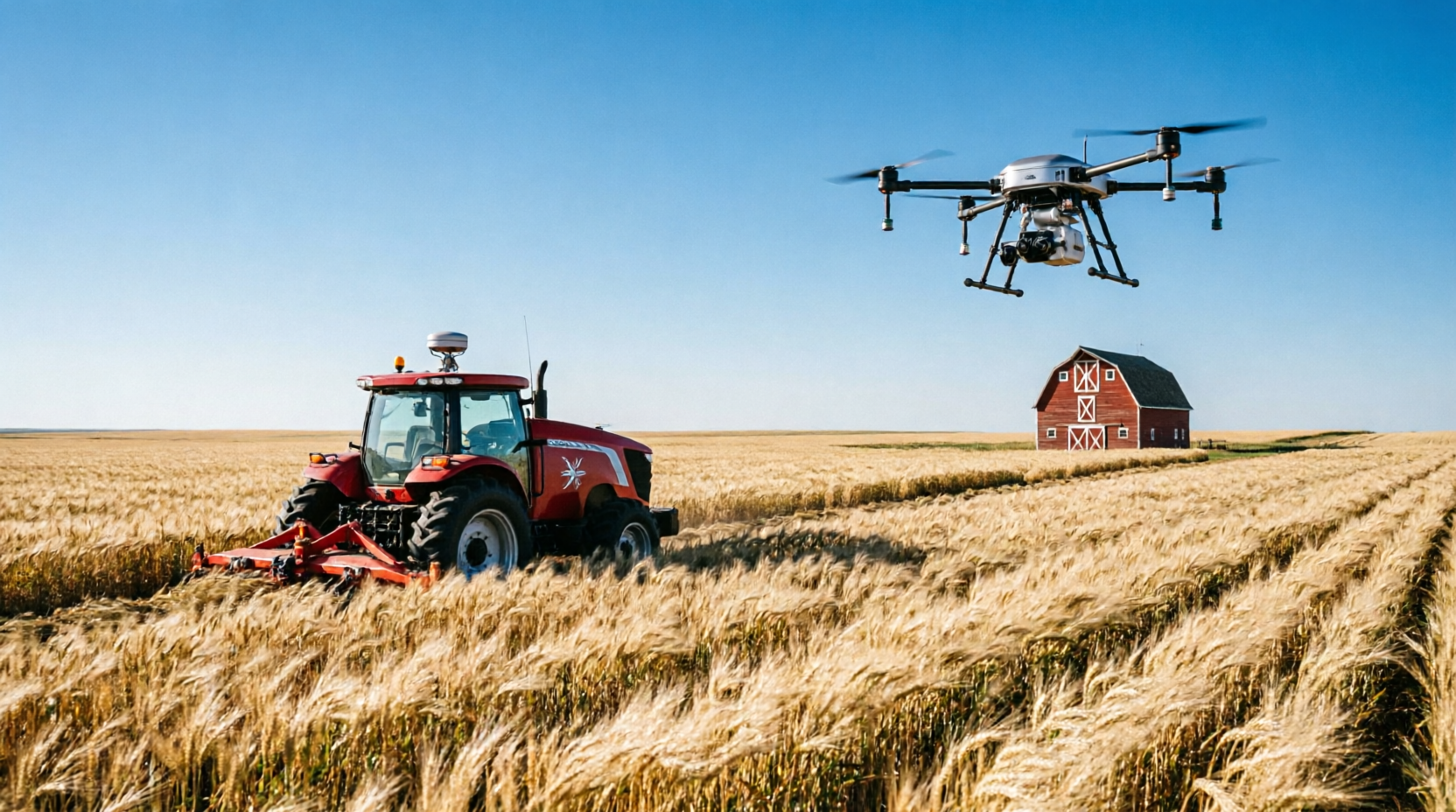
The vast, sweeping agricultural landscapes of the Canadian Prairies are undergoing a quiet but profound technological revolution. Driven by chronic labor shortages, rising input costs, and the urgent need for sustainable farming practices, a new generation of agri-tech startups is transforming how food is grown in Alberta, Saskatchewan, and Manitoba. By deploying autonomous machinery, advanced drone technology, and artificial intelligence, these companies are helping farmers increase yields, reduce environmental impact, and secure the future of Canadian agriculture in an increasingly unpredictable climate.
Advertisement
Historically, Prairie farming has relied heavily on manual labor and traditional, large-scale mechanical equipment. However, the agricultural sector is currently facing a severe workforce crisis, with an aging farmer demographic and a lack of young people entering the industry. To bridge this gap, startups based in innovation hubs like Saskatoon, Calgary, and Winnipeg are developing highly autonomous tractors and seeders. These machines, equipped with GPS, LiDAR, and computer vision, can navigate fields, plant seeds, and apply fertilizers with centimeter-level precision, operating twenty-four hours a day without the need for a human driver. This automation not only solves the labor shortage but also allows farmers to optimize planting windows, which is critical in the short Prairie growing season.
Beyond autonomous tractors, drone technology is revolutionizing crop monitoring and chemical application. Startups are utilizing fleets of agricultural drones equipped with multispectral cameras to scan thousands of acres in a single day. The data collected is processed by AI algorithms to identify early signs of disease, nutrient deficiencies, or pest infestations. Instead of blanket-spraying an entire field with herbicides or pesticides, farmers can now use “spot spraying” drones to target only the affected areas. This precision agriculture approach can reduce chemical usage by up to eighty percent, significantly lowering costs for farmers and minimizing the environmental runoff that damages local waterways.