

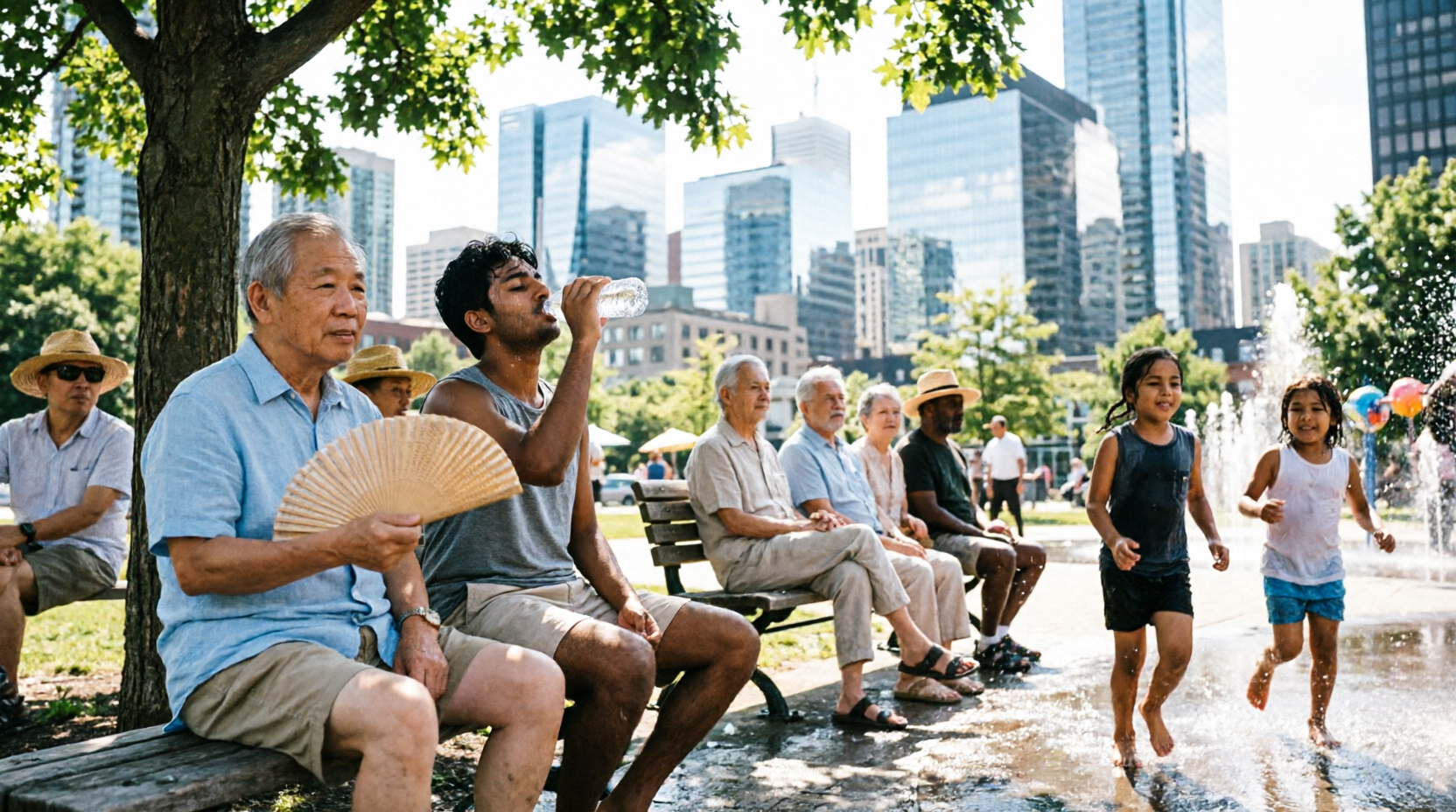
However, the heat crisis has exposed deep inequities in urban planning and housing. Low-income neighborhoods, often characterized by dense concrete construction and a lack of tree canopy, experience significantly higher temperatures than wealthier areas—a phenomenon known as the “urban heat island effect.” Many older apartment buildings in cities like Montreal and Toronto lack air conditioning, and tenants have limited legal recourse to demand cooling upgrades. This has created a dangerous situation where the most vulnerable residents are trapped in sweltering homes with no relief.
Advertisement
Medical professionals are also adapting their practices. Family doctors are proactively contacting patients on medications that increase heat sensitivity, such as diuretics and beta-blockers, to adjust dosages or provide extra monitoring. Hospitals are stockpiling intravenous fluids and training staff to recognize early signs of heat illness. Public health messaging has shifted to emphasize hydration, avoiding outdoor activity during peak heat hours (11 AM to 3 PM), and checking on neighbors, particularly the elderly.
Looking ahead, climate scientists predict that these extreme heat events will become the norm rather than the exception. This reality is forcing a fundamental rethinking of Canadian building codes, urban design, and public health preparedness. The installation of green roofs, increased tree planting, and mandatory air conditioning standards in rental housing are moving from policy discussions to urgent implementation priorities. As Canada’s summers continue to intensify, protecting public health from extreme heat is no longer a seasonal concern but a year-round imperative for the nation’s healthcare system.