

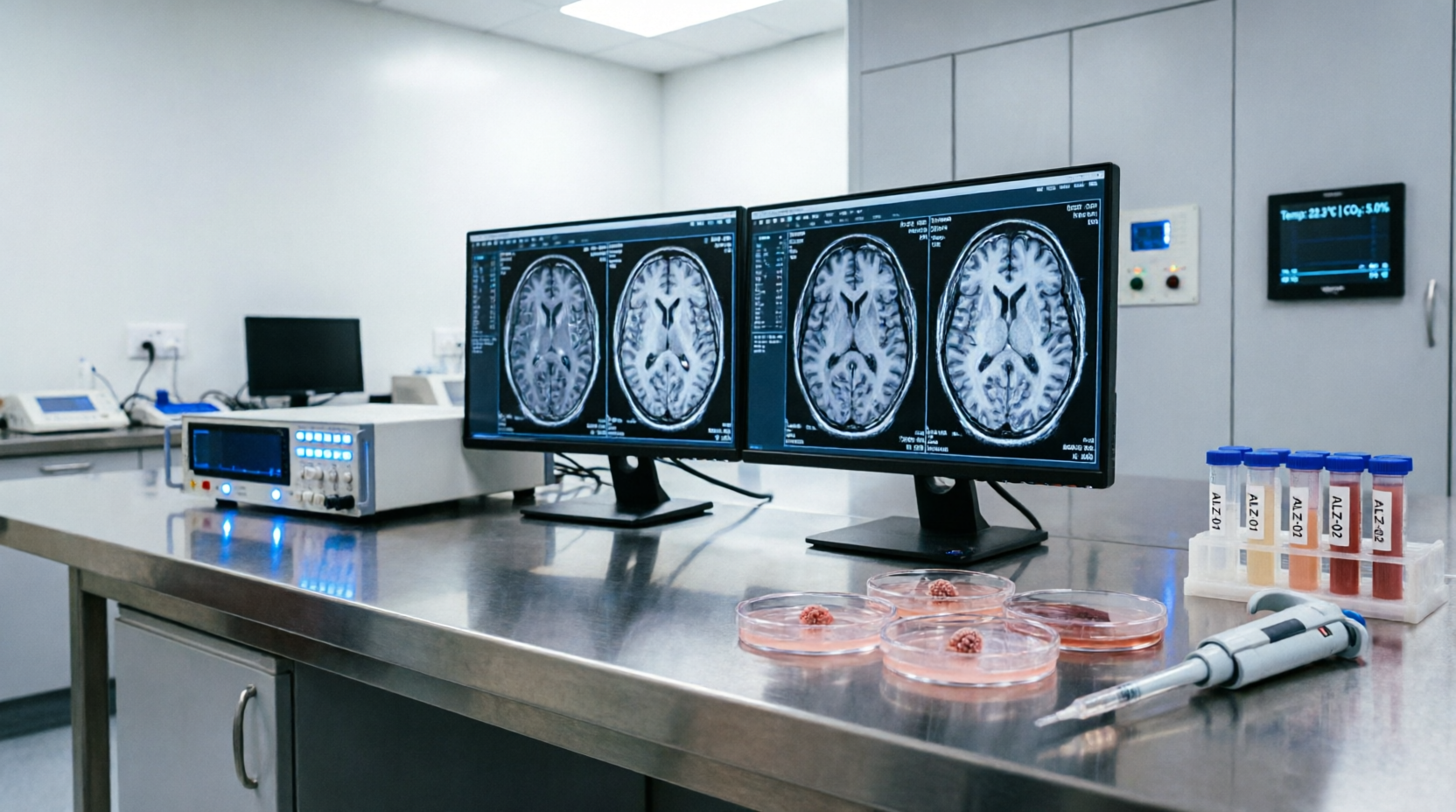
Alzheimer’s disease, a progressive neurodegenerative disorder that robs individuals of their memory and cognitive function, has long been one of the most intractable challenges in modern medicine. However, a wave of groundbreaking research emerging from Canada’s top academic institutions is offering unprecedented hope. Recent clinical trials led by Canadian researchers have not only identified novel disease-modifying therapies but also pioneered highly accurate blood-based biomarkers that could revolutionize early detection and intervention.
Advertisement
For decades, Alzheimer’s treatments focused solely on managing symptoms, providing temporary relief without altering the underlying trajectory of the disease. The latest phase III clinical trials, conducted in collaboration with major research hubs in Toronto, Vancouver, and Montreal, are testing new monoclonal antibodies designed to target and clear amyloid-beta plaques and tau tangles—the toxic proteins that accumulate in the brains of Alzheimer’s patients. Early results from these trials indicate a significant slowing of cognitive decline in patients with early-stage, symptomatic Alzheimer’s. While not a cure, slowing the disease by even thirty percent could preserve a patient’s independence for years, profoundly impacting their quality of life and reducing the immense burden on caregivers.
Equally transformative is the Canadian development of a simple blood test capable of detecting Alzheimer’s pathology up to fifteen years before the onset of clinical symptoms. Traditionally, definitive diagnosis required expensive and invasive PET scans or cerebrospinal fluid analysis. The new blood biomarker test measures specific phosphorylated tau proteins with remarkable accuracy. This breakthrough means that future therapies could be administered during the preclinical stage, when the brain has not yet suffered irreversible damage, vastly improving the chances of a successful outcome.